Journal / Wardrobe
A Jacket for La Scala
Nov 24, 2026

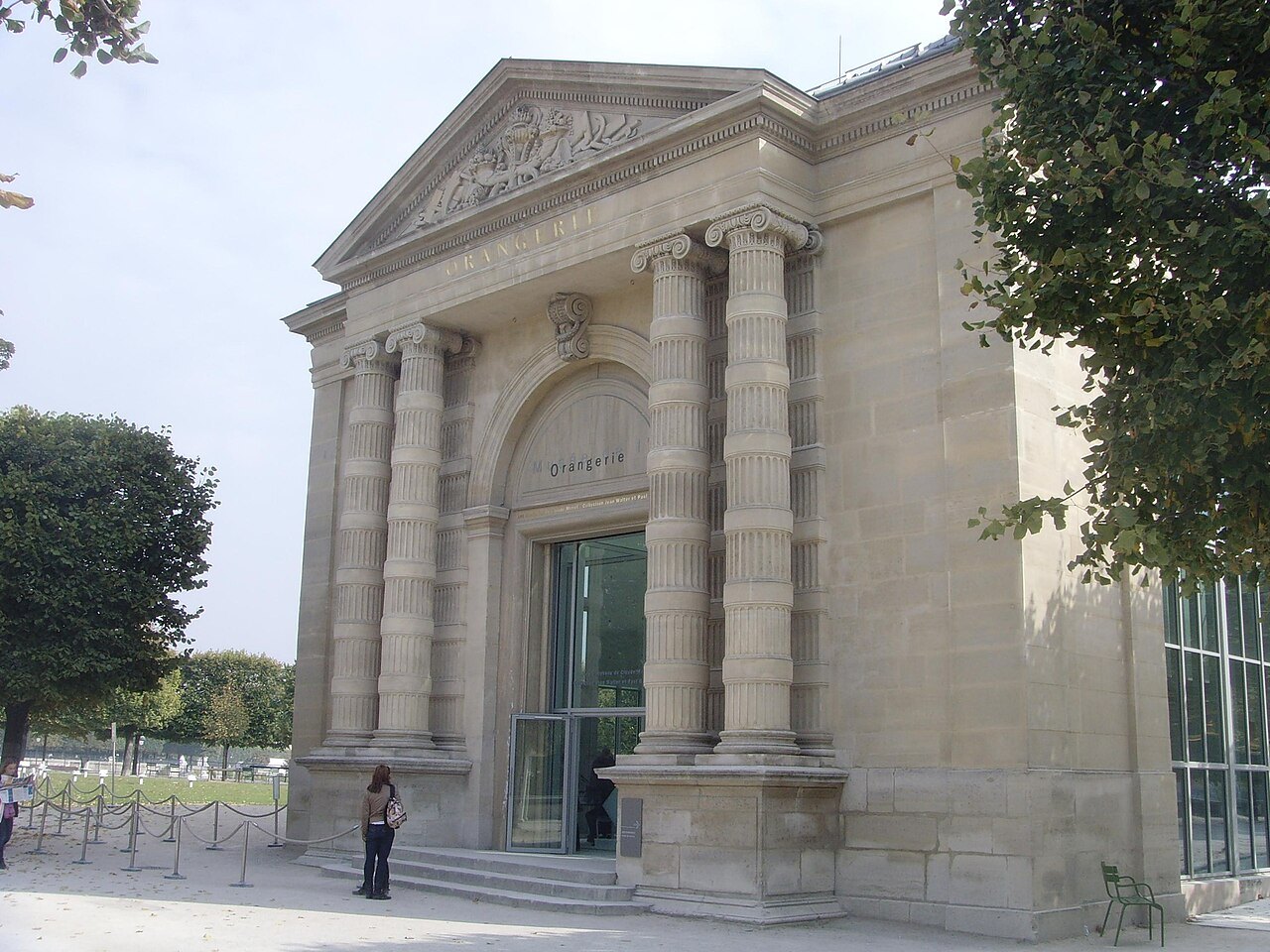
The pediment and columns of Teatro alla Scala in Milan. Photograph by Phyrexian · CC BY-SA 4.0. Resized for the Journal.
The last fitting for an evening at La Scala takes place in a chair. Put it next to a mirror, sit down as you would in the auditorium and let your arms fall where they will spend most of the first act. From here you can see something the full-length mirror in a fitting room tends to miss. A jacket can sit beautifully on the shoulders while the waistband beneath it makes a man count the minutes to the interval.
For an ordinary evening performance in Milan, the House would start with a midnight-blue jacket, grey trousers and a white shirt. La Scala asks visitors to dress with regard for the setting and bars shorts and sleeveless T-shirts from the auditorium. The theatre leaves plenty of room for personal taste within that guidance. A shirt you have worn to dinner a dozen times has an advantage here. You already know how its collar feels three hours after you fasten it.

A rehearsal with the programme
Wear the shoes you intend to take. Sit with both feet on the floor, undo the jacket and pick up a book about the size of a programme. Look down to read a page. A collar that seemed generous while you were looking straight ahead can announce itself quite sharply under the chin. Turn towards an imaginary neighbour and offer them the book. A little pull between the shoulder blades is worth investigating now, while another shirt is still within reach.
Stand up again and look at the hem of the trousers over the shoe. One shallow fold is enough for the line we have in mind. Walk a few paces, sit down and cross one ankle over the other. This is when an old pair of dark socks, long enough to stay put, earns its evening out. The most useful wardrobe decisions before an opera often involve things you already own.
Now put your phone, wallet and keys where you usually carry them. Look again at the two fronts of the jacket. If one hangs lower, take the heavy key ring out and leave behind what you can. Decide which pocket holds the ticket. There is a particular kindness in being ready at the door when your companion is halfway through telling you something.
Twenty minutes in hand
La Scala recommends arriving at least twenty minutes before curtain-up. The playbills give the running time and the intervals. Find one before taking your seat. If a friend is joining you elsewhere in the theatre, this is the moment to agree where to meet during the break. A precise meeting place saves both of you from spending the last bars of the act wondering whether the other has sent a message.
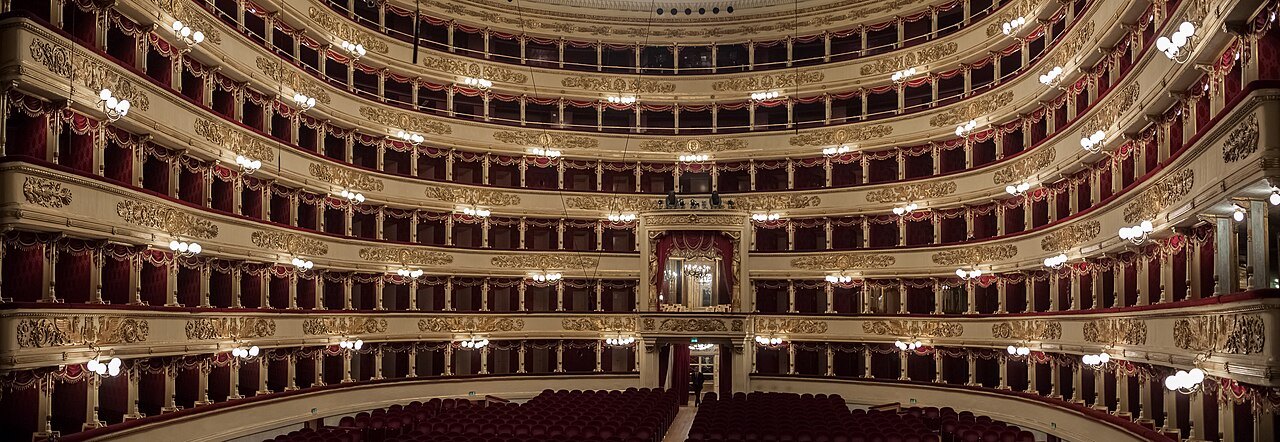
Consider the photograph taken from the stage. The boxes wrap around the auditorium in tiers, bringing people on opposite sides into one another’s field of view. It is a persuasive argument for the plain white shirt. Against a dark lapel, a small area of white does most of the work. A patterned pocket square might have been the first thing you chose at home. Here you may be quite happy to leave it folded in the drawer.
The jacket at the interval
The interval is the second fitting, and by then the evening has more interesting demands on your attention. You rise to let somebody pass, fasten a button and follow your companion out. At the bar, the programme is suddenly large enough to be inconvenient. A free inside pocket for the ticket and a hand free for a glass are the sort of comforts that become apparent only when you need them.
On the way home, ask what stayed with the person beside you. They may remember an entrance you scarcely noticed, or the pause before a singer drew breath. If you have made it from the opening bars to that conversation without thinking again about your collar, the shirt deserves another invitation. Hang the jacket on a broad hanger when you get back. Leave the programme somewhere you will find it in the morning.
Teatro alla Scala’s audience information · Shirts from the House